10 Common Home Repairs You Can DIY (And When to Call a Handyman)
TH
Taking care of home repairs can be an incredibly rewarding endeavor. Not only does it save money, but it also gives you a sense of accomplishment. However, it's important to know when a project is suitable for DIY and when it's best to call in a professional. Here are ten common home repairs you can tackle yourself and guidance on when to seek a handyman's help.
Leaky Faucets
A dripping faucet can be incredibly annoying, but fixing it is often straightforward. Most leaks are caused by worn-out washers or O-rings. With a few basic tools, you can replace these parts and stop the leak.
If the problem persists after replacing washers, it might be time to consult a handyman. Persistent leaks could indicate more complex plumbing issues.

Paint Touch-Ups
Touching up paint chips and scratches is a simple task that can freshen up any room. All you need is a matching paint color, a brush, and some painter’s tape to protect surrounding areas.
If you’re dealing with extensive wall damage or a need for precision in high-traffic areas, a professional painter may be your best bet.
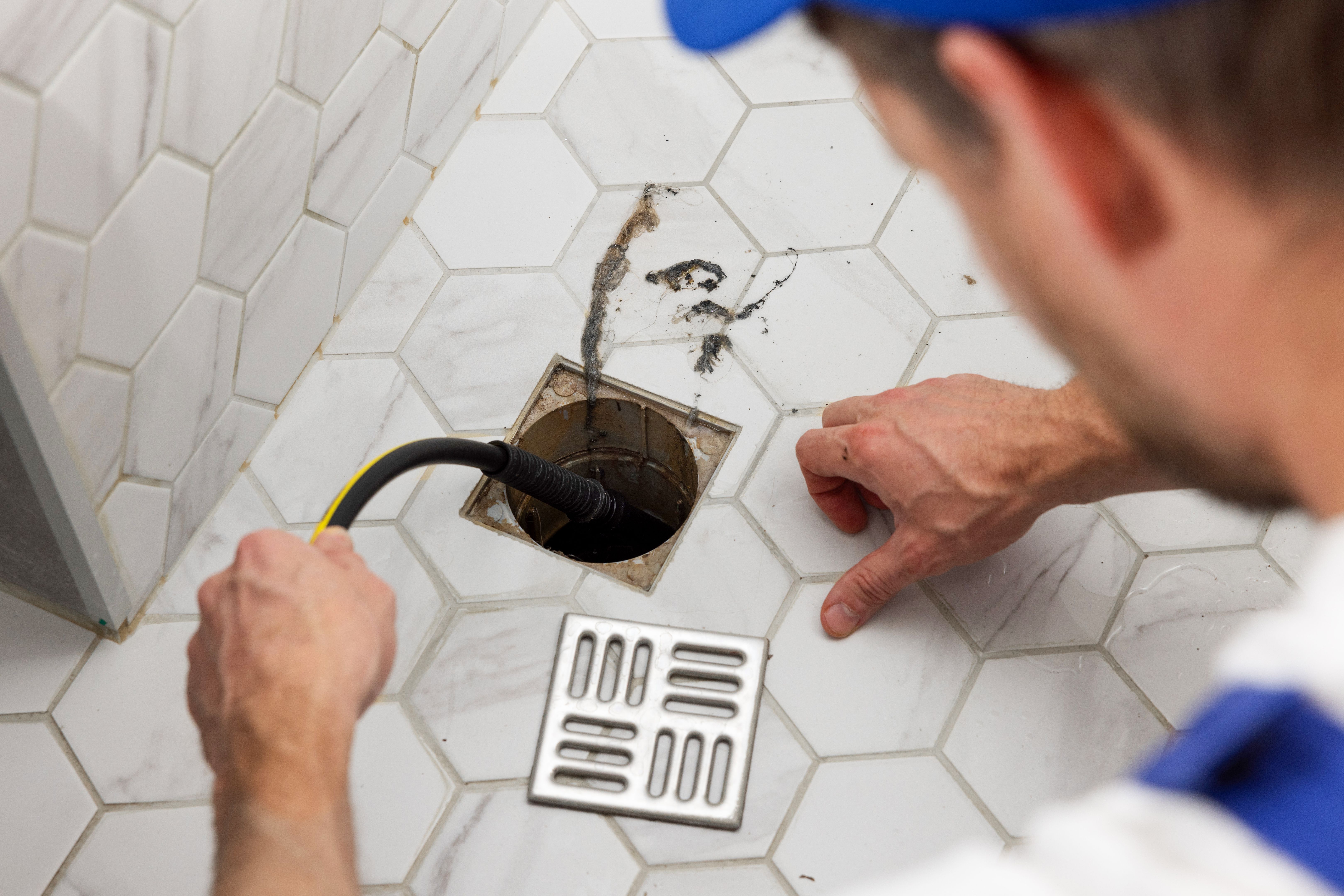
Clogged Drains
Minor clogs can often be cleared with a plunger or a drain snake. Chemical drain cleaners can also be effective, but use them cautiously to avoid pipe damage.
If multiple drains are clogged simultaneously, it might indicate a deeper issue in the plumbing system, requiring expert intervention.
Loose Cabinet Doors
Over time, cabinet doors may loosen and become misaligned. A screwdriver is usually all you need to tighten the screws and realign the doors.
For cabinets that are warped or damaged, consider reaching out to a handyman who can assess and fix the problem effectively.
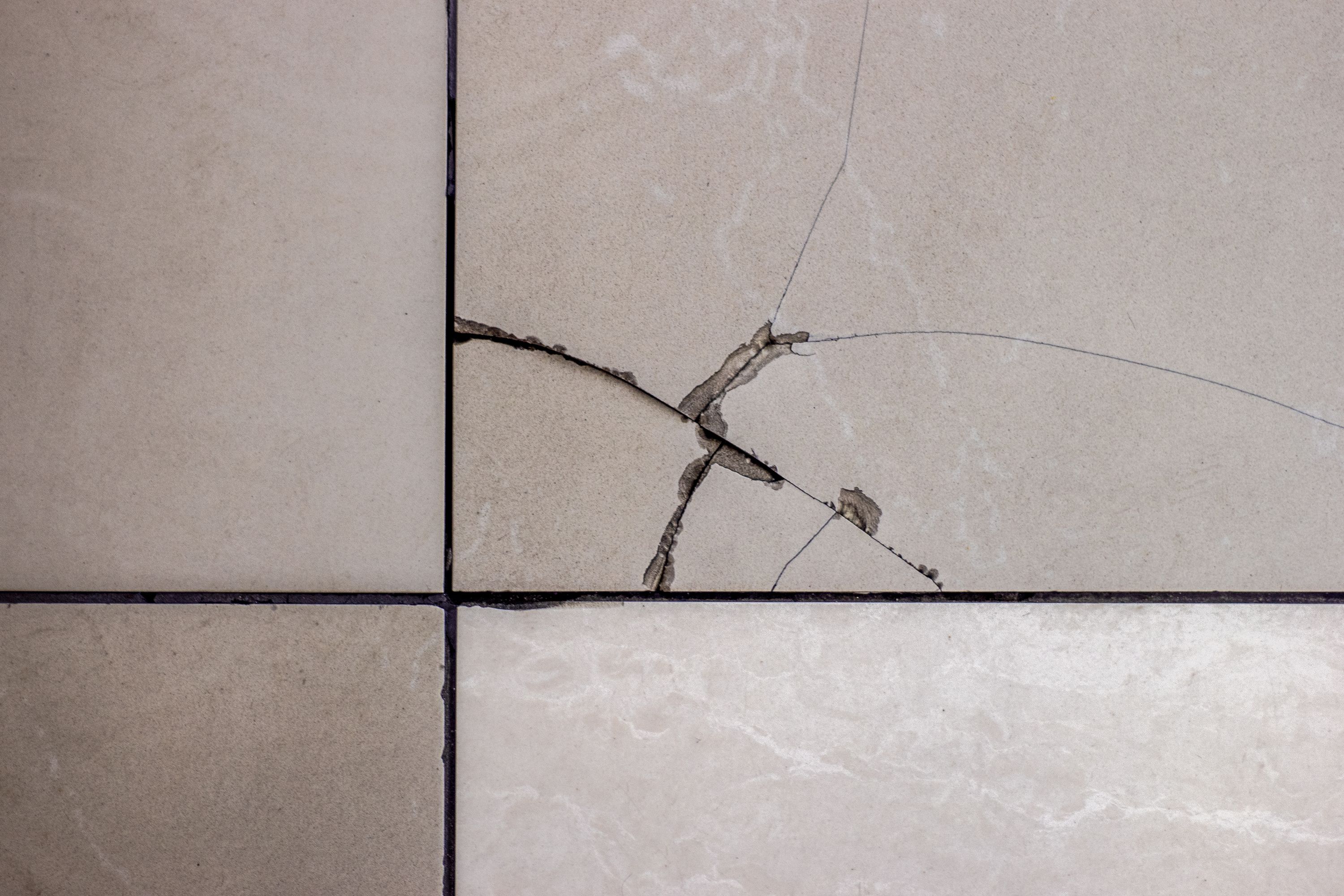
Cracked Tiles
Small tile cracks can be repaired using a bit of epoxy and paint mixed to match the tile color. This can prevent further damage and improve aesthetics.
If you’re dealing with extensive tile damage or water leakage, professional assessment might be necessary to prevent structural issues.
Running Toilet
A running toilet often results from a faulty flapper or fill valve. Replacement parts are inexpensive and can be installed with just a few tools.
However, if the issue continues after replacement, it might be time to call a plumber to investigate further.
Wall Holes
Small holes in drywall can be quickly patched with spackling paste and a putty knife. After sanding and painting, the wall will look as good as new.
For large holes or structural damage, a handyman’s expertise may be required to ensure a safe and seamless repair.
- Identify the cause of the hole.
- Use appropriate materials for patching.
- Ensure a smooth finish with sanding.
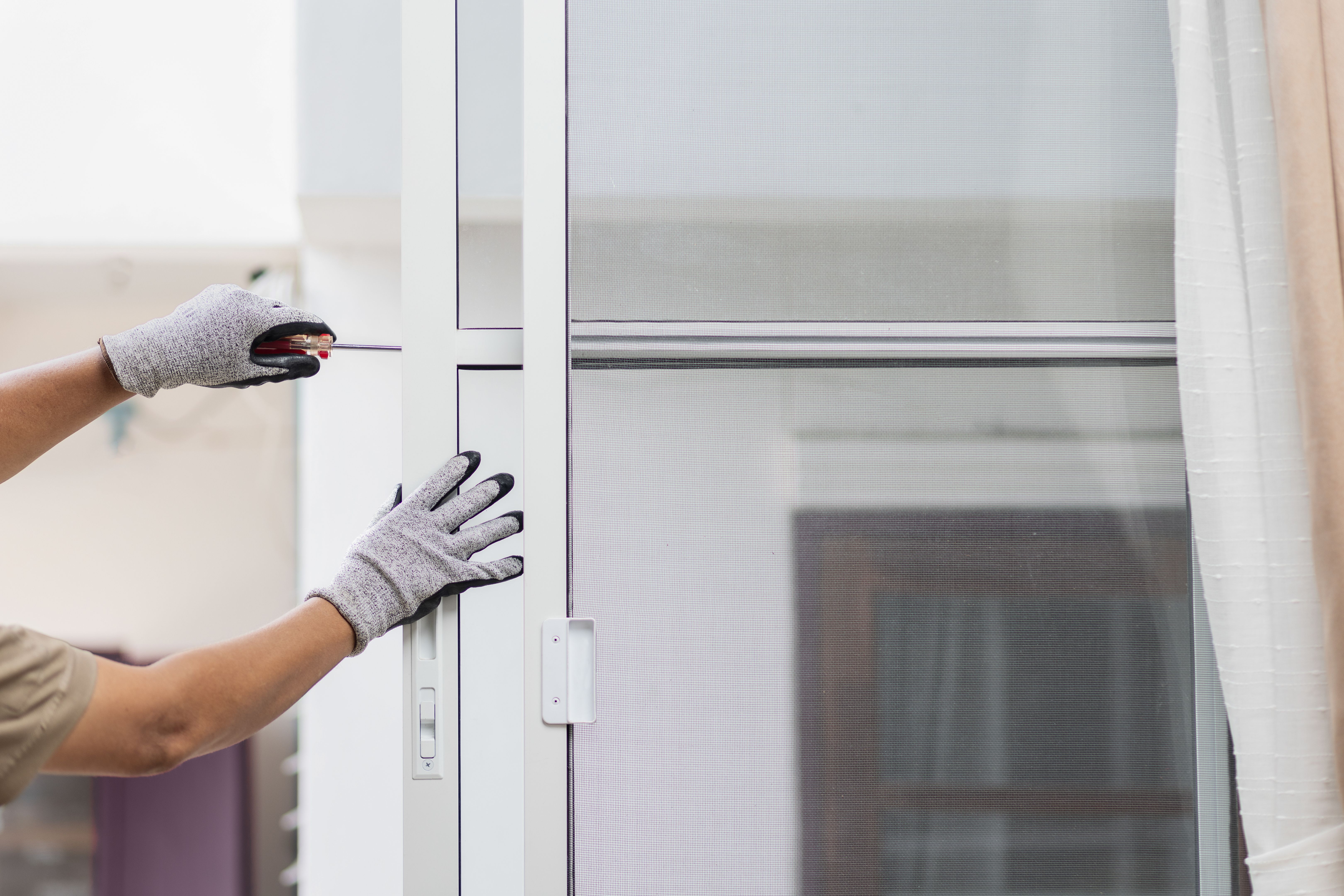
Stuck Windows
Windows can become stuck due to paint buildup or swollen wood. By using a utility knife or a pry bar, you can gently free the window.
If the window remains stuck after these efforts, professional help might be needed to avoid breaking the glass or damaging the frame.
Gutter Cleaning
Cleaning gutters is crucial to prevent water damage to your home. You can safely remove debris with a ladder, gloves, and a garden trowel.
If you’re uncomfortable with heights or have a multi-story home, hiring a handyman might be the safer option.
Electrical Outlet Replacement
Replacing an electrical outlet is a task that many homeowners can handle with basic electrical knowledge. Always ensure the power is turned off before starting.
For any complex electrical work or if you’re unsure about the process, it’s best to consult a licensed electrician for safety reasons.
Knowing which tasks to DIY and when to call a handyman can save you time, money, and stress. By tackling these common repairs yourself, you can maintain and improve your home while leaving more complex issues to the professionals.